

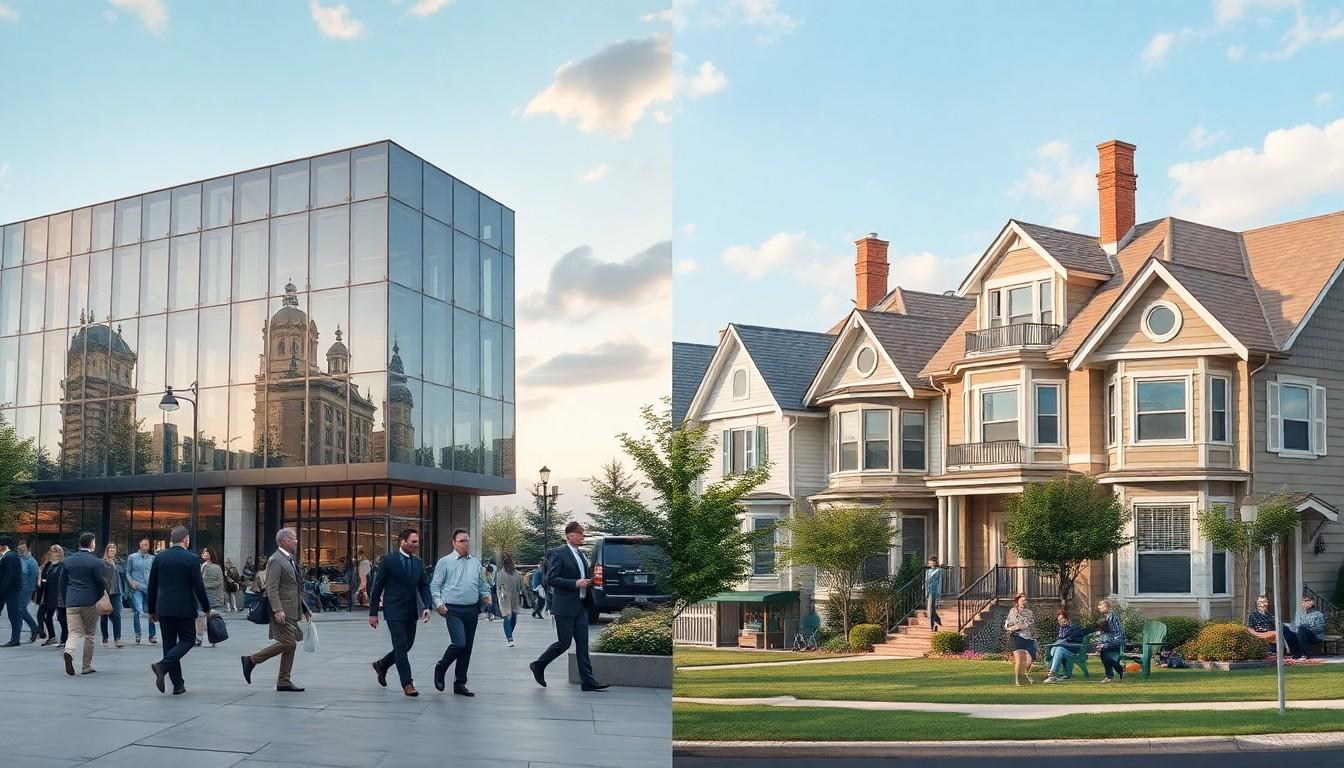
When it comes to real estate, the debate between commercial and residential properties can feel like choosing between pizza and tacos—both are delicious but serve very different appetites. For investors, understanding these two realms is crucial. Commercial properties promise the thrill of business ventures, while residential spaces offer the cozy charm of home sweet home.
Overview of Real Estate Types
Real estate primarily divides into two categories: commercial and residential. Understanding these types aids in informed investment decisions.
Commercial real estate includes properties like office buildings, retail spaces, and warehouses. Investors focus on income generation through leases. These properties demand a keen awareness of market trends and tenant needs.
Residential real estate encompasses single-family homes, condominiums, and apartment complexes. Traditionally, this category centers on providing living spaces and comfort. Many investors in residential real estate seek long-term appreciation in property value.
Location impacts both types significantly. Commercial properties thrive in business districts, drawing tenants looking for visibility. Residential properties often align with family-friendly neighborhoods or close to urban centers.
Investment strategies vary considerably between the two. Investors in commercial real estate generally aim for higher returns, often accepting higher risk levels. On the other hand, residential investors may appreciate steady rental income and potential tax benefits.
Each real estate type interacts differently with economic fluctuations. Commercial markets may experience downturns during recessions, affecting business occupancy rates. Residential markets, however, can remain relatively stable due to consistent demand for housing.
Analyzing each type’s characteristics helps potential investors align their goals effectively. Knowledge of market dynamics, tenant preferences, and location advantages ensures that investment choices reflect the right strategies conducive to success.
Key Differences Between Commercial and Residential Real Estate

Understanding the key differences between commercial and residential real estate is essential for investors navigating these distinct markets. Each type has unique characteristics and appeals to specific needs.
Property Types
Commercial real estate includes diverse property types like office buildings, retail spaces, and industrial warehouses. These properties cater to businesses aiming for operational efficiency. Residential real estate, conversely, encompasses single-family homes, townhouses, and multi-unit apartment complexes, focusing on housing individuals and families. Both types serve different markets and customer bases, leading to varied investment strategies. Hence, recognizing the distinctions among property types aids in making informed investment choices.
Income Potential
Commercial real estate typically offers greater income potential through long-term leases and higher rental rates. Investors may experience significant cash flow, especially in prime locations. Residential real estate generates steady income through rental payments, providing consistent cash flow with lower risks. While the income from residential properties may appear more stable, commercial properties often yield higher returns for investors willing to accept greater risks. Analyzing the income potential for each type helps align investment goals with market reality.
Investment Considerations
Investors in real estate face distinct considerations for commercial versus residential properties. They assess various factors before making decisions.
Risk Factors
Commercial real estate often carries higher risks than residential options. Economic downturns significantly impact commercial properties, making vacancy rates volatile. Business closures can quickly lead to income loss for investors. Residential real estate, while not immune to market fluctuations, typically maintains stable demand. Housing remains a basic necessity, so rentals often sustain during economic challenges. Investors must evaluate these risk profiles to align with their investment goals.
Financing Options
Financing choices vary widely between commercial and residential properties. Commercial loans typically demand larger down payments ranging from 20 to 30 percent. Additionally, lenders often evaluate business plans alongside personal credit history. In contrast, residential mortgages usually require lower down payments starting at 3 percent in some cases. Interest rates and terms often differ too, with residential loans generally offering longer repayment periods. Understanding these financial aspects aids investors in planning funding strategies effectively.
Market Trends
Market trends play a crucial role in understanding the dynamics between commercial and residential real estate. Investors should closely monitor changes in demand and future predictions to make informed decisions.
Demand Patterns
Demand patterns differ significantly between the two real estate types. Commercial properties often experience demand fluctuations based on economic conditions, with businesses seeking office spaces, retail locations, and warehouses following consumer behavior trends. Residential properties, however, maintain steady demand driven by the need for housing. Factors such as population growth and changing demographics influence this consistent residential need.
Future Outlook
The future outlook for commercial real estate indicates potential growth in certain sectors, like logistics and technology-based spaces. Companies focus on efficient distribution centers and offices that accommodate remote work trends. In contrast, residential real estate continues to show resilience, with increasing interest in suburban living and affordable housing options. Long-term investment strategies require investors to stay informed about these shifting trends, ensuring they align their portfolios for future success.
Navigating the world of real estate requires a clear understanding of the differences between commercial and residential properties. Each type offers unique opportunities and challenges that cater to various investment goals.
Investors need to consider their risk tolerance and income expectations when choosing between these two sectors. With commercial real estate often yielding higher returns but carrying greater risks, and residential real estate providing stability through consistent demand, the decision ultimately depends on individual priorities.
Staying informed about market trends and economic conditions will empower investors to make strategic choices that align with their long-term objectives. Whether one opts for the dynamic nature of commercial properties or the reliability of residential investments, both sectors hold potential for growth and success.

