

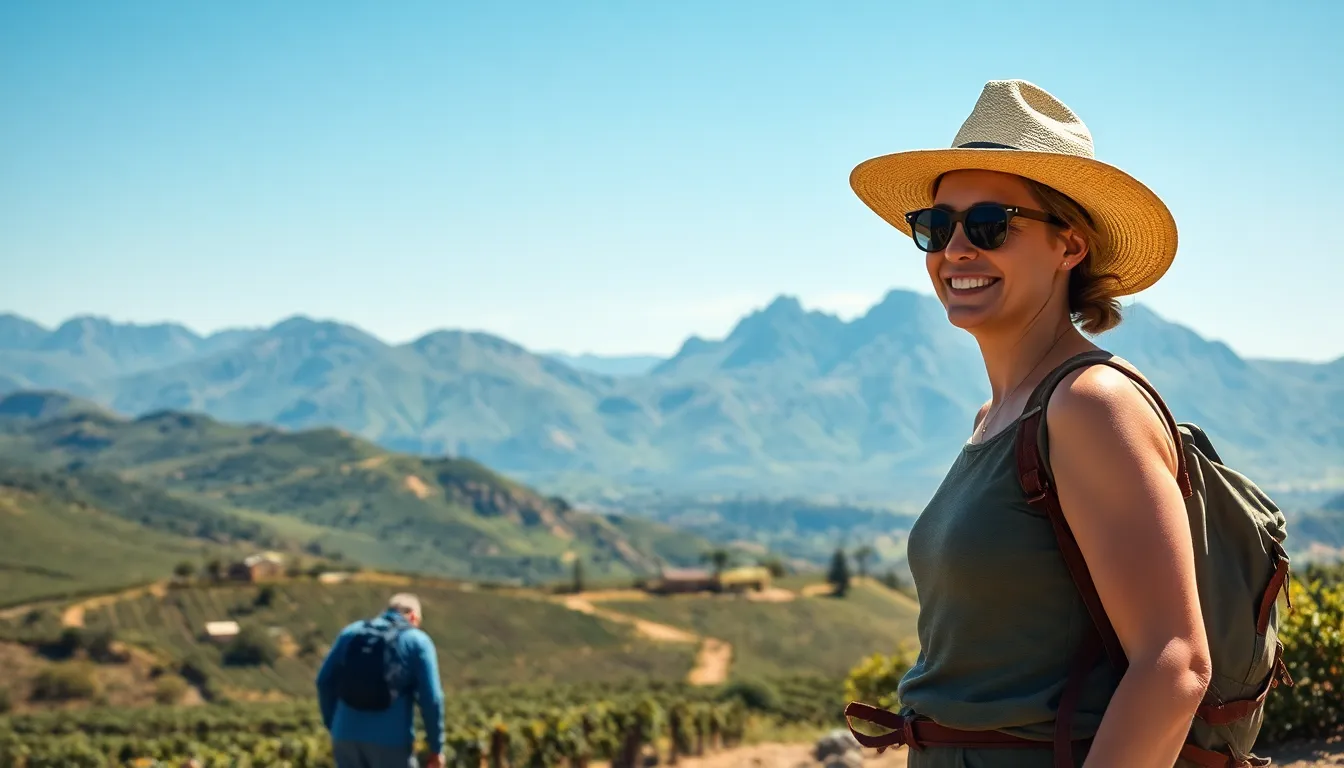
South Africa is a land of breathtaking landscapes and rich cultural diversity, attracting millions of tourists each year. However, safety concerns often loom large, particularly for white travelers navigating the complexities of its vibrant cities and rural areas. Understanding the safety landscape is crucial for anyone planning a visit, as it can significantly impact their experience.
While South Africa offers stunning attractions like Table Mountain and the Kruger National Park, visitors need to stay informed about potential risks. Crime rates and social dynamics can vary widely, making it essential for tourists to adopt safety measures and remain aware of their surroundings. This article delves into the realities of safety for white tourists in South Africa, providing insights and tips to help ensure a memorable and secure trip.
Overview of Safety Concerns
Safety concerns in South Africa vary based on historical, social, and crime data. White tourists face unique risks due to these factors, making it essential to understand the context.
Historical Context
South Africa’s complex history impacts its current safety landscape. Apartheid policies entrenched socio-economic divisions, leading to lingering tensions. High levels of inequality and unemployment contribute to crime, especially in urban areas. Understanding this historical backdrop provides insight into contemporary safety issues faced by tourists.
Current Crime Rates
Recent statistics indicate high crime rates across South Africa, particularly in major cities. For example, in 2022, the South African Police Service reported approximately 23 murders per day. Property crime, including theft and burglary, remains prevalent, with urban areas experiencing the highest incidents. National crime trends show an increase in violent crimes, which primarily affect residents and visitors alike. Awareness of these current trends is crucial for white tourists planning to visit.
Areas of Concern for Tourists
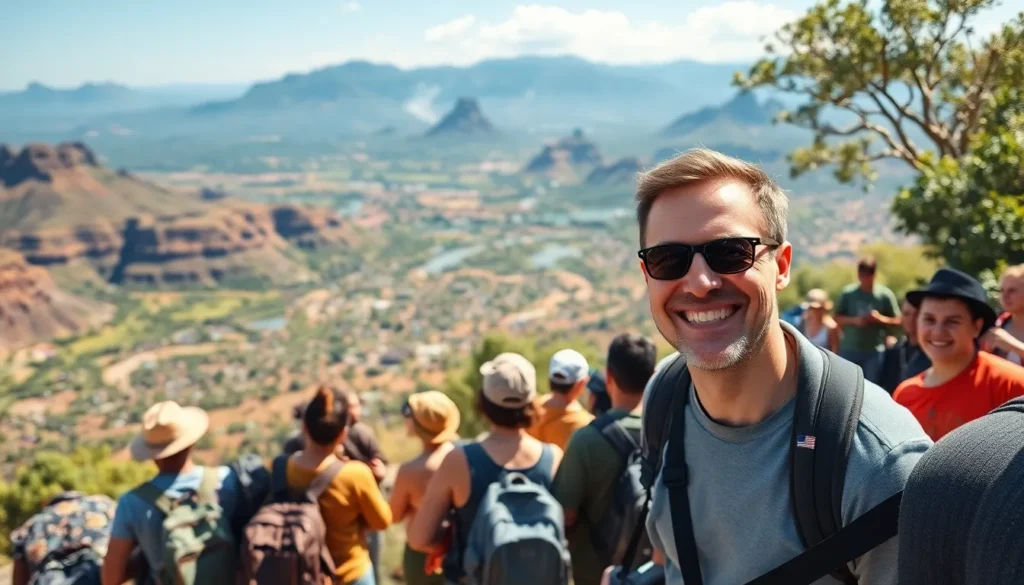
Understanding safety concerns in South Africa is essential for tourists. The risks vary significantly between urban and rural areas, as well as within popular tourist destinations.
Urban vs. Rural Safety
Urban areas, particularly cities like Johannesburg, Cape Town, and Durban, present higher risks for tourists. Crime rates tend to be significantly elevated in these environments, with incidents of violent crime and theft common. Tourists should remain vigilant, especially after dark and in less populated areas. Although many urban neighborhoods are generally safe, some districts attract criminal activity due to socio-economic disparities.
Rural areas, while often perceived as peaceful, can have their own challenges. Limited access to healthcare, emergency services, and infrastructure may pose risks. In these regions, visitors often encounter wildlife, which can be hazardous without proper guidance. It’s crucial for tourists to stay within designated areas and follow local advice.
Popular Tourist Destinations
While South Africa boasts magnificent tourist attractions, some locations are safer than others. High-traffic spots like the Cape Winelands, Kruger National Park, and the Garden Route attract many visitors and have enhanced security measures. Tourists should remain cautious, however, as opportunistic crime can occur even in these popular destinations.
In contrast, attractions situated in less secure areas may expose tourists to higher risks. Places like certain townships may offer cultural experiences but require local knowledge for safe navigation. Engaging with reputable tours or local guides ensures that tourists gain insightful experiences while prioritizing safety.
Precautionary Measures for White Tourists
Tourists visiting South Africa should take proactive steps to enhance their safety. Understanding travel insurance and essential safety tips plays a critical role in ensuring a secure trip.
Travel Insurance Recommendations
Travel insurance provides crucial coverage for medical emergencies and theft. Tourists should consider plans that include:
- Emergency Medical Coverage: Ensures access to medical facilities in case of health issues.
- Trip Cancellation Protection: Offers financial recovery in case travel plans change unexpectedly.
- Theft and Loss Coverage: Aids in recovering losses from stolen belongings or travel documents.
Tourists must read policy details to confirm that coverage is applicable in South Africa. Some insurers may exclude specific regions or have limitations, making it vital to choose plans with comprehensive benefits.
Essential Safety Tips
Applying fundamental safety tips can greatly reduce risk during travel. Prioritizing these measures helps tourists navigate South Africa more safely:
- Stay Aware: Remain vigilant, primarily in crowded areas and public transport.
- Avoid Flashy Items: Limit visible valuables, such as designer bags and jewelry, to deter theft.
- Use Reliable Transport: Opt for reputable ride-hailing services or arranged hotel transfers rather than walking or using public transport, especially after dark.
- Research Areas: Identify safe neighborhoods and tourist attractions in advance to avoid high-risk locations.
- Travel in Groups: Stay with fellow travelers, particularly in urban environments, to enhance safety.
- Communicate Plans: Share travel itinerary with someone outside the country, ensuring someone knows your whereabouts.
Implementing these precautionary measures can help white tourists have a safe and enjoyable experience while exploring South Africa.
Local Perspectives on Safety
Local perspectives on safety provide valuable insights for white tourists visiting South Africa. Understanding how residents view safety issues can enhance experiences and inform precautionary measures.
Interviews with Residents
Residents express mixed feelings regarding safety in South Africa. Some highlight their daily vigilance, noting criminal activities such as theft and muggings in urban areas. One Johannesburg resident mentioned, “It’s important to be cautious, especially at night.” Others, however, emphasize the warmth and hospitality of South Africans, stating that many tourists experience friendly interactions. A Cape Town local suggested, “Staying in well-frequented areas and using reputable transport can make a significant difference.” These insights indicate that while risks exist, awareness and preparation can lead to positive experiences.
Social Media Sentiments
Social media reflects diverse sentiments about safety in South Africa. Numerous posts by tourists discuss both thrilling adventures and concerns about security. Platforms like Twitter and Facebook showcase experiences, with many sharing safety tips. A trending topic includes how to avoid risky areas, highlighting densely populated neighborhoods known for crime. Conversely, many travelers share enjoyable experiences, particularly in tourist-friendly zones. Utilizing hashtags like #SafeInSouthAfrica shows a balance of caution and appreciation for the country’s beauty. These social media discussions underline the importance of staying informed and connected to navigate the safety landscape effectively.
South Africa offers a rich tapestry of experiences for travelers but comes with notable safety considerations. Awareness of the unique risks faced by white tourists is essential for a secure visit. By understanding the socio-economic landscape and implementing recommended safety measures, visitors can navigate potential challenges effectively.
While the allure of stunning scenery and vibrant culture is undeniable, it’s crucial to remain vigilant and informed. Engaging with local guides and adhering to safety tips can enhance the overall experience. With proper preparation and a cautious approach, white tourists can enjoy the beauty and diversity of South Africa while minimizing risks.

